Nobedan Patio 195407071 6226418414848 655943750773498139 N

Nobedan Patio

“I’m glad I am alive, to see and feel
The full deliciousness of this bright day,
That’s like a heart with nothing to conceal;
The young leaves scarcely trembling; the blue-grey
Rimming the cloudless ether far away;
Briars, hedges, shadows; mountains that reveal
Soft sapphire. . . .
O hark how with the season’s laureate
Joy culminates in song! If such a song were mine!”
– William Allingham (Irish poet; 1824-1889)

Gladly shared by Betty Hanselman
Gardener’s wife (& spring celebrant)

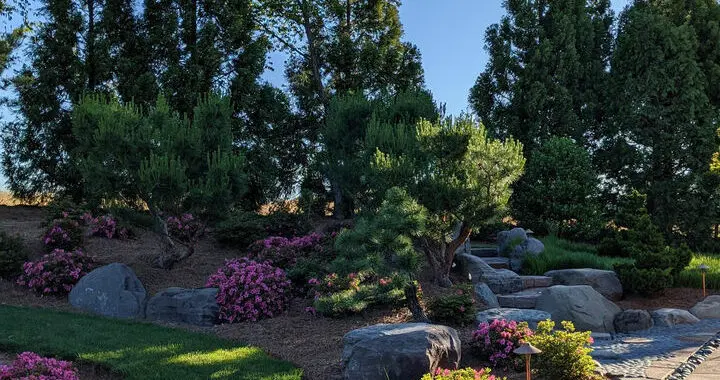
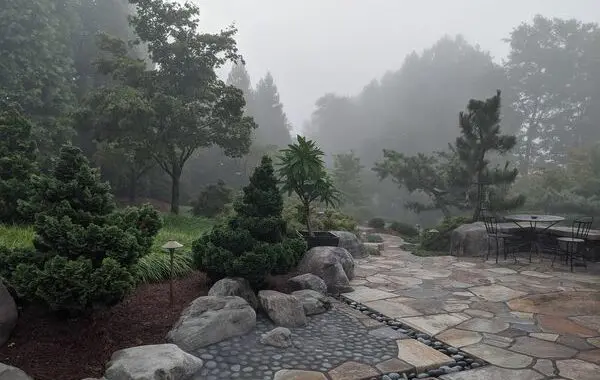
Japanese-inspired nobedan patio, beach pebble drain and stone stairway are softened by plantings resplendent in spring sunshine (Lancaster County, PA).
Breakfast Nook 118775375 4573582159326255 6029900351229023064 N

Breakfast Nook

Virtually every morning for six months of the year (from mid-spring until mid-fall), I take my coffee, breakfast, Bible and journal, and head outside to my favorite dining room. Here, in the garden, I find refreshment for my soul and my senses, as I drink in the sounds, scents, and sights of the newly-waking world.
Does the idea of an outdoor breakfast nook appeal to you? Talk to us! We’d love to help you plan your own private outdoor room, where you can begin your day basking in the glory of your garden.
Gladly shared by Betty Hanselman
Gardener’s wife (& garden room promoter)
Praying Mantis: Ninja Warrior Of The Garden! 120130055 4693686530649150 4468812330052369570 N

PRAYING MANTIS: Ninja Warrior of the Garden!

PRAYING MANTIS: Ninja Warrior of the Garden!
For quite some time, I thought that the Praying Mantis was an endangered and protected species in Pennsylvania. I recently learned that this idea likely began in the 1950s in an effort to discourage homeowners from killing these helpful pest predators. In reality, according to many sources, Praying Mantis are not–nor have ever been–endangered or protected.
Praying Mantis are considered desirable additions to the ecosystem; many gardeners wish they had more in their yards to decrease the need for pesticides. To learn more about pest control, click here. So, when you see one, be grateful that this unique and beneficial creature has found refuge in your garden. Welcome it gladly, and enjoy watching its antics for a minute or two!
Shared by Betty Hanselman
Gardener’s wife (& grateful “warrior” watcher)
Recently, we have seen these insect Ninjas throughout our garden–shown here on Pieris, Cryptomeria, and Pine straw mulch.
Tree Lessons 121062245 4761010443916758 5039176144624974158 N

Tree Lessons

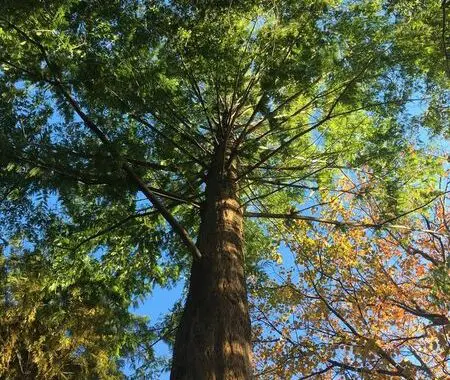
One of the best ways to learn about trees is to visit and spend time with them in beautiful settings. In these “classrooms”, you can observe the shape, growth habit, size, bark texture and color, and–depending on the season–leaf shape and leaf colors of various species of mature trees.
On sweltering summer days, you can refresh in the shade of leafy canopies; on blustery winter days, you can take in the structures of leafless branches and their silhouettes against the sky. And in any season, you can appreciate the beauty, grandeur, and value of mature trees in the landscape. In fact, you may even begin to imagine the possibilities and benefits of adding one or several to your own garden. We certainly hope so, and look forward to hearing from you and learning together which trees are best suited to your particular situation.
(Call us at 717-653-1273 to get started!)
Some of our favorite “tree classrooms” are the University of Pennsylvania’s Morris Arboretum, Swarthmore College’s Scott Arboretum, Mount Cuba, Winterthur, Longwood Gardens, and old growth forests everywhere.
Joyfully shared by Betty Hanselman
Gardener’s wife (& perpetual learner of all things lovely)
It'S Not Summer Anymore . . . 119736473 4635501506467653 3755553941591275901 N

It’s not summer anymore . . .

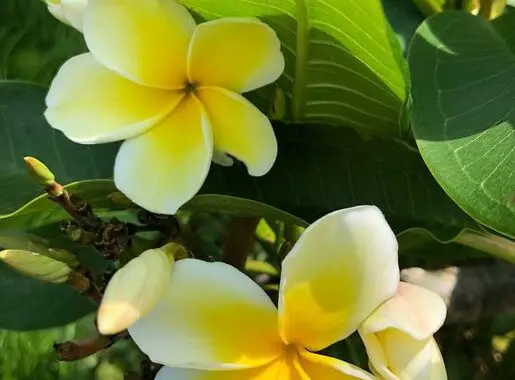
…and with cold nights predicted this weekend, it’s time to bring your lush tropical plants inside. In anticipation of the drop in temperatures, we brought our lovely Frangipani (Plumeria) inside early this week, hoping to preserve its delicate beauty for another inspiring outdoor display next summer!
Shared by Betty Hanselman
Gardener’s wife (& fan of seasonal beauty)
A Plan For Two Pests: How An Invasive Plant Species Is Helping To Reduce A Pesky Insect Population 118885401 4572503056100832 2146003025273944555 N

A PLAN FOR TWO PESTS: How an Invasive Plant Species is Helping to Reduce a Pesky Insect Population

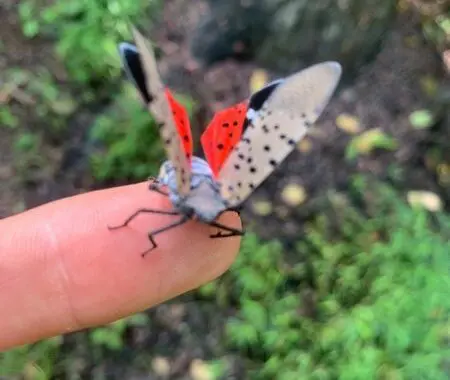
With the threat of Spotted Lantern Flies on the rise in our area, Penn State has a recommendation that seems to be working well for our clients and their neighbors. The idea is to apply an insecticide to Tree-of-Heaven plants, which happen to be irresistible food sources for Spotted Lantern Flies. When the insects gorge on this favorite food, they also consume the insecticide and die by the thousands (as shown below).
While Tree-of-Heaven plants are invasive and certainly not recommended additions to any garden, Sean Kramer, Hanselman Landscape’s pest-control specialist, has devised an effective plan to handle both undesirable populations: He cuts down female Tree-of-Heaven plants to reduce the spread of this species, and uses existing male Tree-of-Heaven trees as death traps for Spotted Lantern Flies. Our clients are thrilled with the success of this two-pronged approach, and so are their neighbors!
Contributed by Betty Hanselman
Gardener’s wife